We’re visual creatures, hardwired to notice flickers, colors, and motion. It’s a survival instinct—once used to detect predators in the wild, now often redirected toward TV screens, neon signs, and digital interfaces. But what exactly draws us in? And why do some designs feel almost impossible to look away from?
One explanation lies in contrast. Our brains are attuned to detect sudden changes in light and color. A bright hue next to a dark background. A pop of red on a sea of blue. These contrasts create tension—just enough to grab our attention and hold it. Designers use this principle everywhere, from road signs to mobile apps.
Another factor is movement. Even subtle motion—like a pulsing glow or slow animation—signals that something needs our focus. That’s why we naturally glance at blinking lights or a swaying branch in our peripheral vision. Movement implies urgency, even if it’s digital.
But it’s not just about noticing. It’s also about how visual elements make us feel. Fast flashing lights? That might create a sense of excitement or anxiety. Slow, fluid transitions? Often associated with calm or luxury. When colors, shapes, and motion are used together strategically, they can influence mood without saying a word.
Neuroscience backs this up. Dopamine, the brain’s “feel good” chemical, is often released when we anticipate a reward or experience novelty. A new visual pattern. A shiny interface. Even a cleverly animated icon can spark that mini-rush. And the more often that feeling is rewarded, the more our brains seek it out.
That’s why vibrant design is so prevalent. From animated buttons on apps to LED billboards in Times Square, it all leverages our instinct to look, feel, and respond. It’s not accidental—it’s engineered engagement.
This principle applies to entertainment spaces too. Whether it’s a movie trailer packed with jump cuts or a video game with dynamic environments, we’re drawn to visual momentum. The faster the feedback, the more immersive the experience.
In digital design, vibrant palettes aren’t just aesthetics. They guide behavior. Think of call-to-action buttons in green (go) or red (stop). Notifications in bright orange. Each one is teaching us to interact, to click, to care. When done well, these colors don’t just look nice—they act like visual signposts.
This also explains the visual appeal of experiences like casino slots online. These interfaces are built to entertain. Each spin comes with a cascade of motion, vivid artwork, and satisfying animations. But beyond the surface, it’s a study in user psychology. Designers craft the environment so that even the background hum, shimmer, or glow helps maintain immersion.
It’s the same with streaming platforms. Ever notice how the preview for a show starts playing if you hover too long? That’s not just convenience—it’s visual persuasion. It prompts us to act without needing a single click.
Even the devices we use are designed with stimulation in mind. Bright screen displays. High refresh rates. Fluid UI transitions. Every piece aims to keep us visually engaged for longer.
Architecture plays into this too. Buildings that incorporate dynamic lighting—like color-shifting LED panels or interactive floor tiles—feel futuristic and alive. These features aren’t just decorative. They’re participatory. They invite people to not just observe, but engage.
In fashion, bold prints and reflective materials attract attention on a biological level. Metallics, neons, and iridescence signal movement and energy. They tell stories before the person wearing them even speaks.
Retail design uses similar tricks. Stores with strategic lighting and focal points pull customers through the space. Warm lights in fitting rooms. Cooler hues in tech sections. It’s all deliberate. It’s all storytelling through visuals.
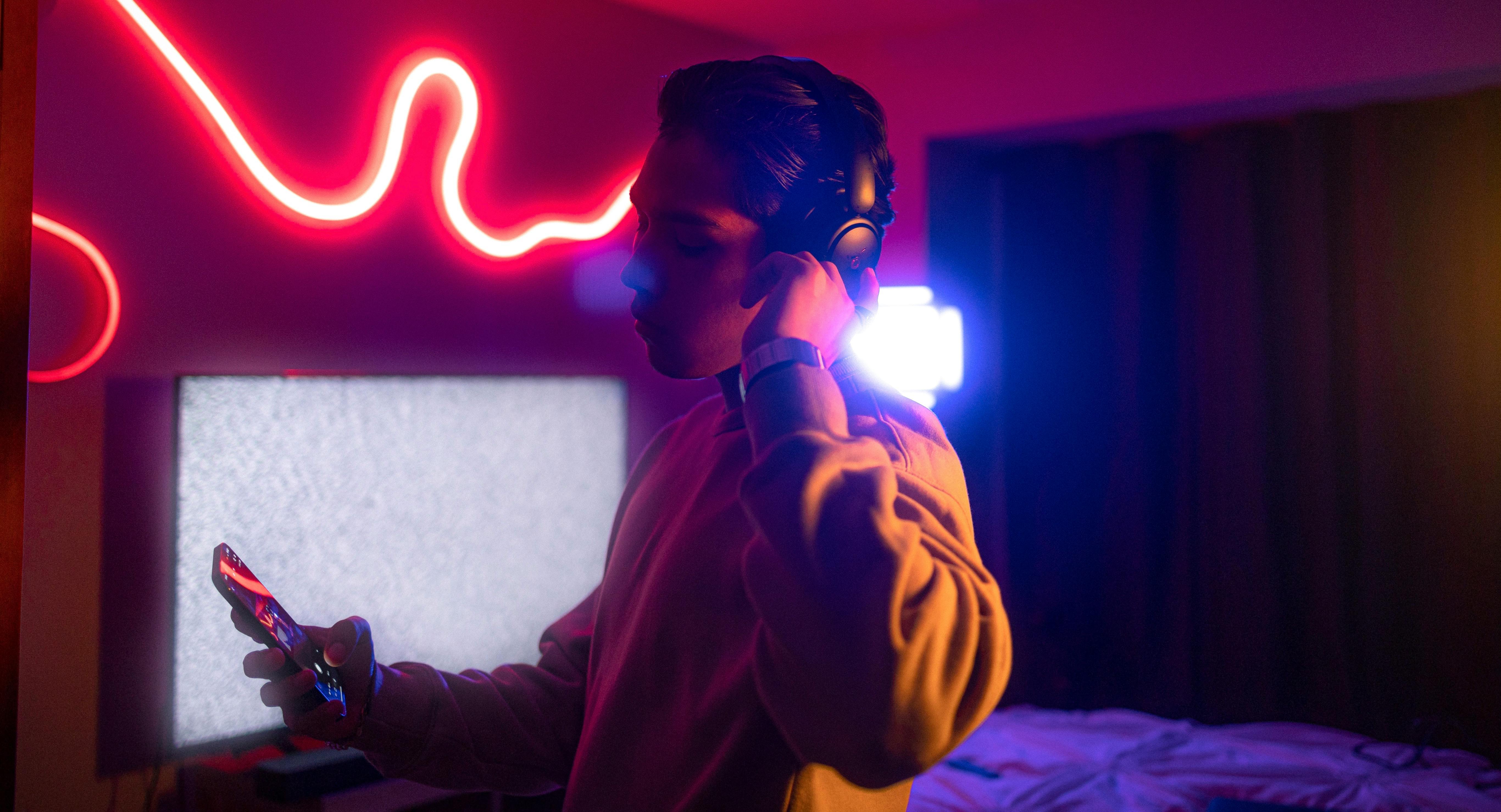
And it’s not exclusive to commercial spaces. Even in our homes, we chase stimulation. LED backlighting behind the TV. Color-changing smart bulbs. Digital photo frames. We decorate not just for style, but for engagement.
That craving for stimulation spills into hobbies, too. Art installations. Projection mapping. Even virtual reality. These are playgrounds for the senses—visual journeys that rely on design as their primary vehicle.
The power of visual stimulation can even override other senses. Ever eaten a dessert that looked better than it tasted? Or picked a bottle of wine based solely on the label? We’ve all been there. Looks matter—sometimes more than we’d like to admit.
Of course, balance is important. Overstimulation can lead to fatigue or stress. That’s why the best designs offer moments of contrast—space to breathe between bursts of brightness. Think of it like visual punctuation. Too much excitement with no pause, and the message gets lost.
In a world that demands our attention at every turn, it’s easy to feel overwhelmed. But when done well, visual design doesn’t just distract—it delights. It informs, excites, and connects. It gives us something to look at and, often, something to feel.
So the next time you’re captivated by a color scheme, an animation, or a flickering screen, take a moment. It’s not just your eyes doing the work. It’s your entire mind, responding to a carefully constructed invitation to stay a little longer.