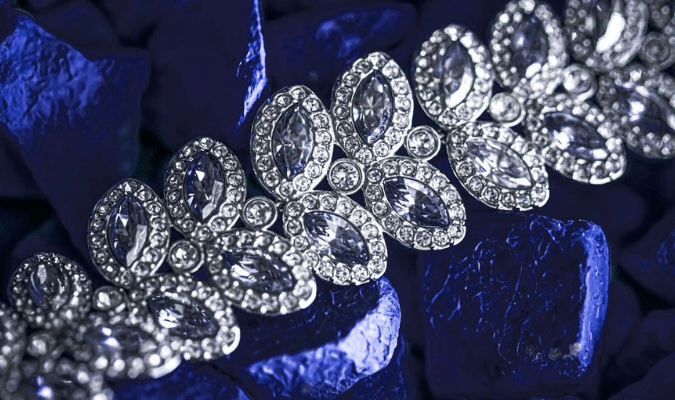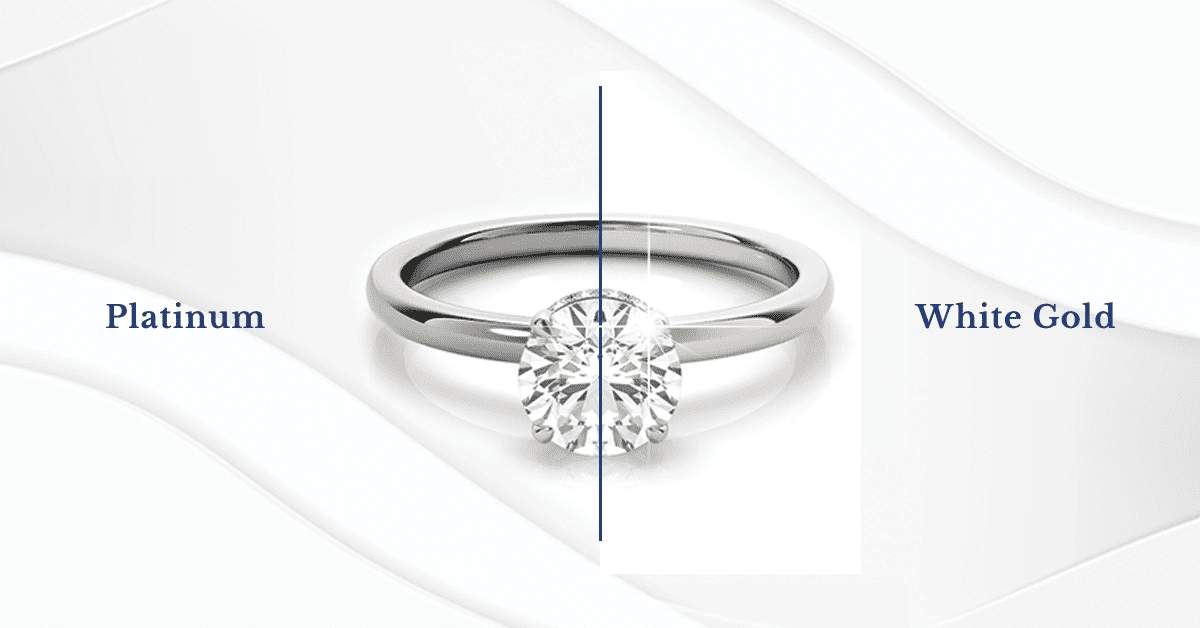
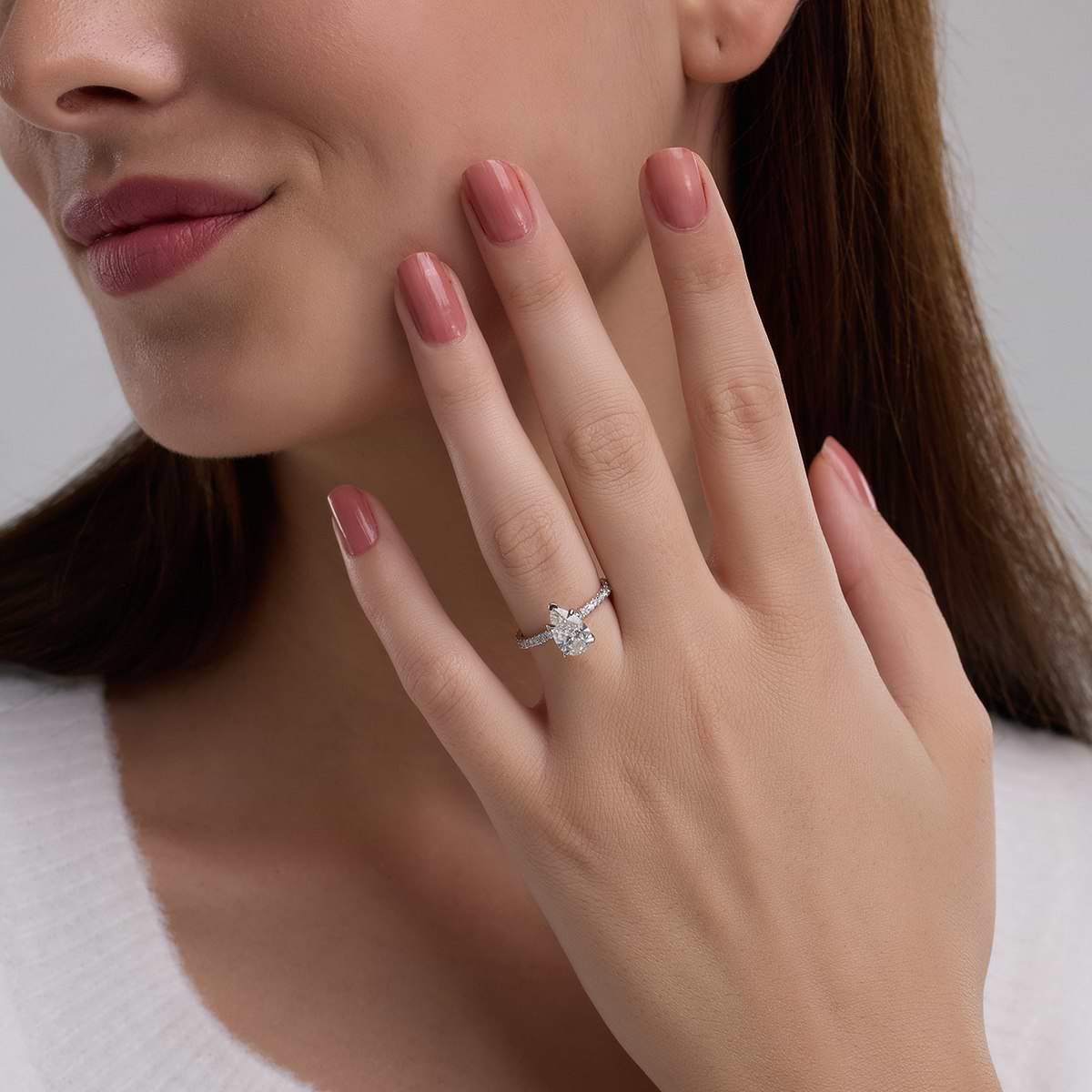
Diamonds have long captured human fascination with their brilliance, durability, and symbolism of eternal love. Over the years, not only have we developed numerous ways to shape these precious gems, but we’ve also made remarkable advances in creating diamonds in laboratories—known as man-made or lab-grown diamonds. Today, many people seek to understand both the variety of diamond shapes and the evolution of man-made diamonds, especially as they become a popular, ethical, and sustainable alternative to mined gems.
In this article, we’ll explore Formas de diamante (diamond shapes) and man-made diamonds, delving into how they are crafted, their benefits, and what makes them a compelling choice for the modern consumer.
A Brief History of Diamonds and Their Appeal
Diamonds have been treasured for centuries, not just for their aesthetic appeal but also for their symbolic meaning. Traditionally associated with love, power, and luxury, diamonds were once exclusive to royalty and the ultra-wealthy. However, advancements in mining and, more recently, in synthetic diamond creation have made these gems more accessible.
The development of man-made diamonds has been a game-changer in the jewelry industry. Created using high-pressure, high-temperature (HPHT) methods or chemical vapor deposition (CVD), these stones are chemically and optically identical to natural diamonds. This means that to the naked eye—and even under magnification—man-made diamonds are indistinguishable from their mined counterparts.
Popular Diamond Shapes: More Than Just Round
When people think of diamonds, the classic round brilliant cut often comes to mind. But today’s buyers have an array of options that cater to different tastes and personalities. The formas de diamante, or diamond shapes, influence not just the look of the jewelry but also how light reflects through the stone, affecting its sparkle and brilliance.
1. Round Brilliant
The most popular diamond shape, the round brilliant, is known for its unmatched sparkle. Its 58 facets are engineered to reflect maximum light, making it a timeless choice for engagement rings and fine jewelry.
2. Princess Cut
Square or rectangular in shape with sharp corners, the princess cut offers a modern aesthetic. It’s the second most popular shape, particularly loved for its clean lines and geometric appeal.
3. Cushion Cut
A blend of the round and princess cuts, the cushion cut has rounded corners and a pillow-like shape. It’s a vintage-inspired cut that has seen a resurgence in recent years, offering a romantic and soft look.
4. Emerald Cut
Featuring step cuts and a large, open table, the emerald cut emphasizes clarity over sparkle. Its long, rectangular lines give a sleek, art deco feel that appeals to those with a classic or minimalist style.
5. Oval, Pear, and Marquise
These elongated shapes offer a unique twist on traditional round or square cuts. Oval diamonds create the illusion of longer fingers, while pear and marquise cuts are bold, eye-catching options often chosen by trendsetters.
Each of these diamond shapes can be created using either natural or man-made diamonds, with no compromise in brilliance or structural integrity.
The Rise of Man-Made Diamonds
As consumer awareness around environmental sustainability and ethical sourcing grows, man-made diamonds have surged in popularity. They are produced in controlled laboratory environments using cutting-edge technology that replicates the natural formation process of diamonds. Two primary methods are used:
-
High-Pressure, High-Temperature (HPHT): This mimics the intense heat and pressure found deep within the Earth’s mantle, where natural diamonds are formed.
-
Chemical Vapor Deposition (CVD): In this method, carbon-rich gases are used to deposit layers of carbon onto a seed crystal, gradually forming a diamond.
These processes result in real diamonds—not imitations or simulants like cubic zirconia. The main difference lies in the origin, not in the structure.
The appeal of man made diamonds lies in their environmental and social responsibility. Traditional diamond mining has been associated with issues like ecosystem disruption, water pollution, and human rights abuses. Lab-grown diamonds offer a conflict-free, sustainable alternative without sacrificing beauty or quality.
Matching Diamond Shapes with Man-Made Stones
Just like mined diamonds, man-made diamonds can be cut into any desired shape. This flexibility allows for personalization and creativity in design. Whether you’re looking for a dazzling round brilliant or a sleek emerald cut, lab-created stones can meet your specifications.
This combination of customizable formas de diamante and lab-grown technology empowers jewelers and consumers alike. Designers can offer unique, ethically sourced pieces without driving up costs, while buyers can enjoy luxury and peace of mind.
Moreover, lab-created diamonds often cost 20–40% less than their mined counterparts, making high-quality diamonds more accessible to a broader audience. The affordability allows buyers to invest in better clarity, carat, or custom settings.
Quality, Certification, and Value
Just like natural diamonds, man-made diamonds are graded by independent gemological laboratories such as GIA (Gemological Institute of America) and IGI (International Gemological Institute). They are evaluated on the same 4Cs: Cut, Color, Clarity, and Carat weight.
When buying a lab-created diamond, it’s important to request certification to ensure transparency and value. While the resale market for lab-grown diamonds is still developing, their primary value lies in their aesthetic appeal and ethical advantages.
Additionally, advancements in diamond growing technology mean that today’s man-made diamonds are purer than ever, often with fewer inclusions and better color ratings than many mined stones.
Choosing What’s Right for You
Whether you prefer a classic round cut or an unconventional marquise, the choice of diamond shape should reflect your style and sentiment. And when it comes to sourcing, man-made diamonds offer a compelling alternative without compromising quality.
Combining your favorite formas de diamante with lab-grown options allows you to make a statement—not just in terms of fashion but also in values. You’re choosing beauty, sustainability, and innovation all in one.
From engagement rings to earrings and everything in between, the modern jewelry landscape now embraces a blend of tradition and technology.
Conclusion: The Best of Both Worlds
The world of diamonds is evolving. As we become more conscious consumers, the demand for ethical, sustainable choices continues to grow. Understanding the diverse formas de diamante and the benefits of man-made diamonds helps us make informed decisions that align with our tastes and principles.
With the same brilliance as mined stones, a lower environmental footprint, and a variety of shapes and styles to choose from, lab-grown diamonds are carving out a permanent space in the luxury market. Whether you’re shopping for a special occasion or simply indulging in timeless beauty, consider a man-made diamond in the shape that speaks to you—because elegance should never come at the cost of ethics.