Let’s be honest for a second. Most of us don’t sit around wondering about diamonds. We see them in shop windows, we scroll past them on Instagram, maybe we remember the classic “diamonds are forever” ads. But here’s the thing—you’ve probably heard of lab grown diamonds by now, right? They’re shaking up the jewellery world. And if you haven’t? Well, buckle up, because they’re not just a cheaper option… they’re actually a whole vibe.
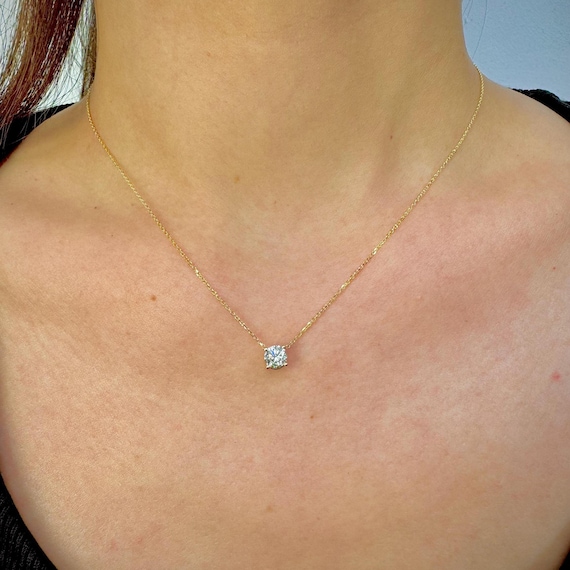
Imagine this: you’re out with friends, someone compliments your necklace, and you casually drop the fact that it’s a lab grown diamond necklace. Suddenly, it’s not just sparkle—it’s a conversation starter. Affordable luxury, science meets style, and honestly, a little brag-worthy in the “I’m smart with my money and I look good” kind of way.
And that’s what we’re diving into today. Not just the sparkle, but the story behind it. How these diamonds are made, why they’re trending, and why you might (actually) want one around your neck.
Diamonds That Tell a Story
Think about it: when was the last time a piece of jewellery actually told a story? Sure, heirlooms do. Grandma’s ring. A vintage brooch passed down through generations. But most pieces you buy in stores? They’re just pretty.
Now here’s where lab grown diamonds flip the script. They come with a built-in story of innovation. Instead of being mined from deep under the earth with all the complicated environmental and ethical baggage that comes with it, they’re grown in a lab using technology that literally mimics how nature makes them. Same carbon structure. Same sparkle. Same hardness.
The only difference? You’re not dealing with the murky waters of mining. No “is this a conflict diamond?” worry in the back of your mind. To me, that’s pretty powerful. It’s like wearing a necklace that says, yeah, I love beautiful things, but I also care about how they’re made.
What’s Trending with Lab Diamonds?
Okay, so let’s talk style. A lab grown diamond necklace isn’t just a substitute for the real thing—it’s carving its own lane. Here’s what I’ve noticed (and maybe you have too):
- Minimalist solitaire pendants – A single stone, clean chain, very “quiet luxury” energy. Think: I want something timeless that goes with a white tee or a black dress.
- Clustered designs – Instead of one big rock, you get a little constellation of smaller lab grown diamonds. Looks modern, feels fresh.
- Custom engravings + diamonds – People are mixing personal touches (like initials, zodiac signs, even tiny lockets) with lab grown stones for that “it’s mine and only mine” vibe.
- Statement chokers – Yep, chokers are back, and with lab grown sparkle, you can get the bold look without the bold price tag.
Here’s the kicker: since lab grown stones usually cost less than mined diamonds, people are going bigger, bolder, or more experimental. Why not, right? If you’re saving thousands, you can afford to play around with design instead of sticking to “safe and small.”
Local Angle: Why This Matters Now
Let’s face it, jewellery is about more than just looking pretty. It’s about culture, timing, even geography. In places like New York, London, or Hong Kong, you’ll notice lab grown jewellery popping up in boutique shops faster than you can say “new drop.” Why? Because younger buyers (hello, millennials and Gen Z) are more vocal about sustainability and transparency.
Compare that to the old-school tradition of diamond buying. Back then, bigger meant better, and no one asked questions about origin. Now? People want receipts. They want to know where their stuff comes from, who made it, and whether they’re contributing to something positive or not.
So wearing lab grown diamonds today isn’t just about fashion—it’s kind of a cultural statement. Like choosing oat milk over dairy. Or thrift shopping instead of fast fashion. It’s luxury, but with values baked in.
How Lab Diamonds Are Made (Without the Boring Lecture)
Okay, so the science-y bit. But don’t worry, I’ll keep it casual.
There are basically two main ways to grow a diamond in a lab:
- HPHT (High Pressure, High Temperature) – This method literally recreates the conditions deep underground where natural diamonds form. A tiny “seed” diamond is placed in carbon, then squeezed and heated until the carbon turns into a bigger diamond around it. Think of it like growing crystals in high school science class—but on steroids.
- CVD (Chemical Vapor Deposition) – Sounds intimidating, but it’s basically putting a diamond seed in a chamber filled with carbon-rich gas. The gas breaks down, and carbon atoms stack onto the seed, layer by layer, like building with microscopic Lego bricks.
The end result? A diamond that’s chemically, physically, and optically the same as one from the ground. Jewelers have to use special equipment to even tell the difference. So if someone ever tries to tell you a lab grown diamond isn’t “real,” you can confidently say: actually, it’s just as real—it just had a different origin story.
So, Should You Get One?
At the end of the day, jewellery isn’t just about price tags or origins. It’s about how it makes you feel. And honestly? A lab grown diamond necklace feels like smart sparkle. It’s got the beauty, the durability, the story, and the bonus of being kinder to the planet (and your bank account).
You might still love the romance of a mined diamond. And that’s totally fine. But don’t sleep on lab grown diamonds—they’re not just a trend, they’re becoming the new normal. And maybe, the next time someone asks about your necklace, you’ll get to say with a smile: oh, this old thing? It’s lab grown.